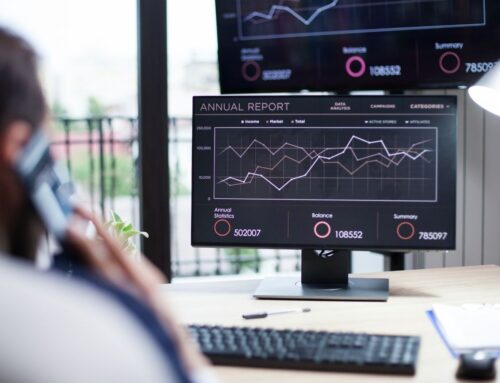
In today’s fast-paced and highly regulated financial landscape, businesses are under increasing pressure to meet stringent reporting standards. Whether you’re a private enterprise, a public company, or a growing startup, compliance with frameworks like IFRS, ASPE, or GAAP is non-negotiable. That’s where automation comes in. The ability to automate financial reporting standards is not just a technological upgrade – it’s a strategic advantage.
What Does It Mean to Automate Financial Reporting Standards?
Automating financial reporting standards involves leveraging software and advanced technologies (like AI, machine learning, and RPA) to ensure that financial reports are prepared, reviewed, and submitted in full compliance with relevant accounting frameworks. This means eliminating repetitive manual tasks, reducing human error, and aligning your internal processes with regulatory requirements – all in real-time.
Why Automation Matters
1. Improved Accuracy:
Manual reporting is prone to mistakes – from formula errors in spreadsheets to misclassifications of financial data. Automation enforces consistent rules and logic, dramatically reducing the risk of non-compliance or costly restatements.
2. Time and Cost Savings:
Automation can cut down reporting cycles by weeks. Finance teams can shift their focus from manual data entry to strategic analysis, helping organizations make better business decisions faster.
3. Built-In Compliance:
Automated platforms are designed with up-to-date compliance rules built into their core. When regulations change, your system updates – minimizing the need for constant manual oversight.
4. Audit Readiness:
With a well-automated system, audit trails are embedded into every transaction. This level of transparency makes it easier for auditors to review your books and ensures your company is always prepared for external scrutiny.
How to Get Started
1. Assess Your Current Reporting Processes:
Understand which parts of your workflow are manual, error-prone, or redundant. Look for bottlenecks that slow down your month-end close or annual report compilation.
2. Choose the Right Tools:
Look for accounting and financial reporting software that aligns with your industry and size. Popular tools in the Canadian market often offer localized compliance support for IFRS and ASPE standards.
3. Integrate with Your Existing Systems:
Make sure your automation tools can integrate with your ERP, CRM, and other data sources. A unified ecosystem makes reporting seamless and accurate.
4. Train Your Team:
Technology is only as effective as its users. Provide proper training and support so your team can use automation tools confidently and effectively.
The Future of Financial Reporting Is Automated
The need to automate financial reporting standards will only grow as financial regulations evolve and stakeholders demand more transparency. Businesses that embrace automation now are not only improving their reporting processes – they’re future-proofing their operations.
At Vica Innovations, we specialize in helping Canadian companies transform their financial operations through automation. From compliance monitoring to customized reporting solutions, we’re here to support your journey toward smarter finance.